At 52, I Could Barely Stand Up In the Morning. Then a Retired Teacher Showed Me an Old Japanese Method — and 8 Weeks Later My Stiff Knees Felt Years Younger
I had wasted more than ₦500,000 on painkillers, physiotherapy and “miracle” herbs. Nothing held. What finally worked wasn’t foreign or expensive — it was sitting in my own local market the whole time.
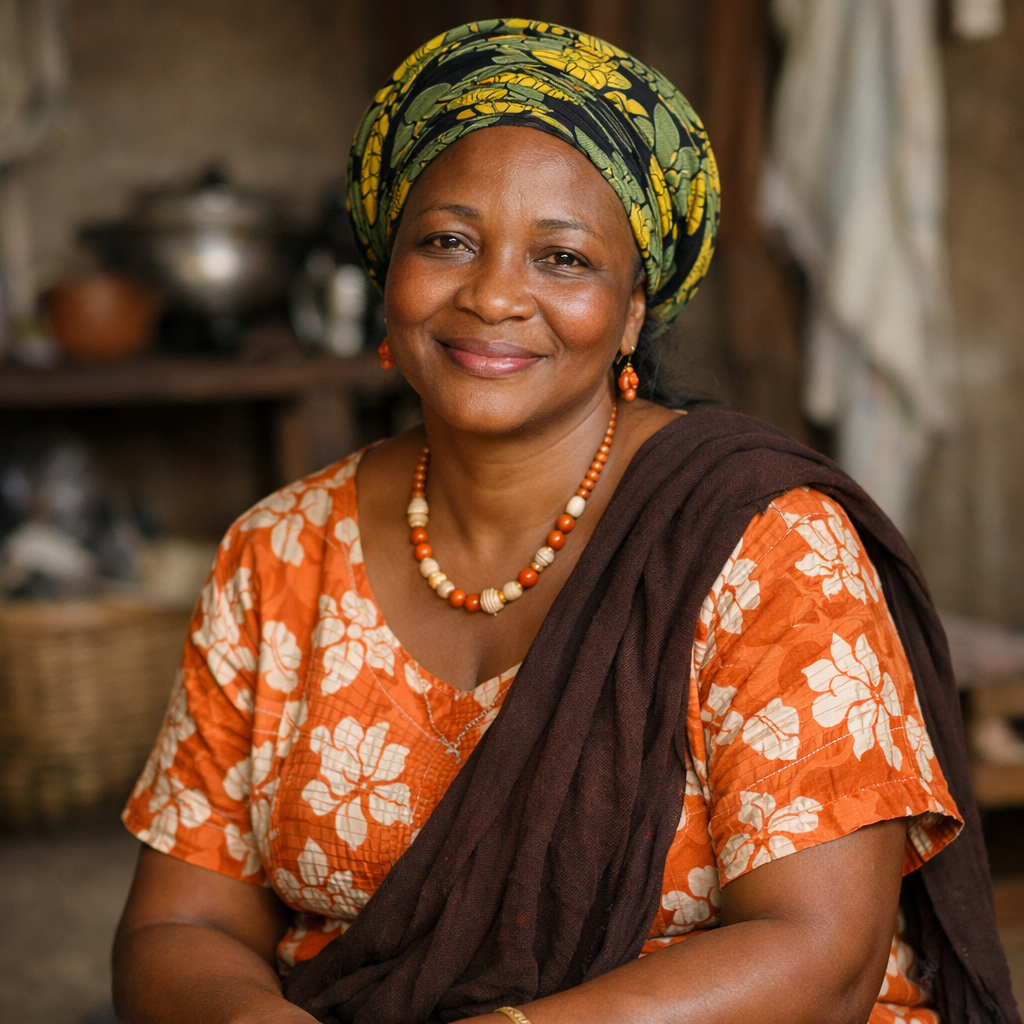
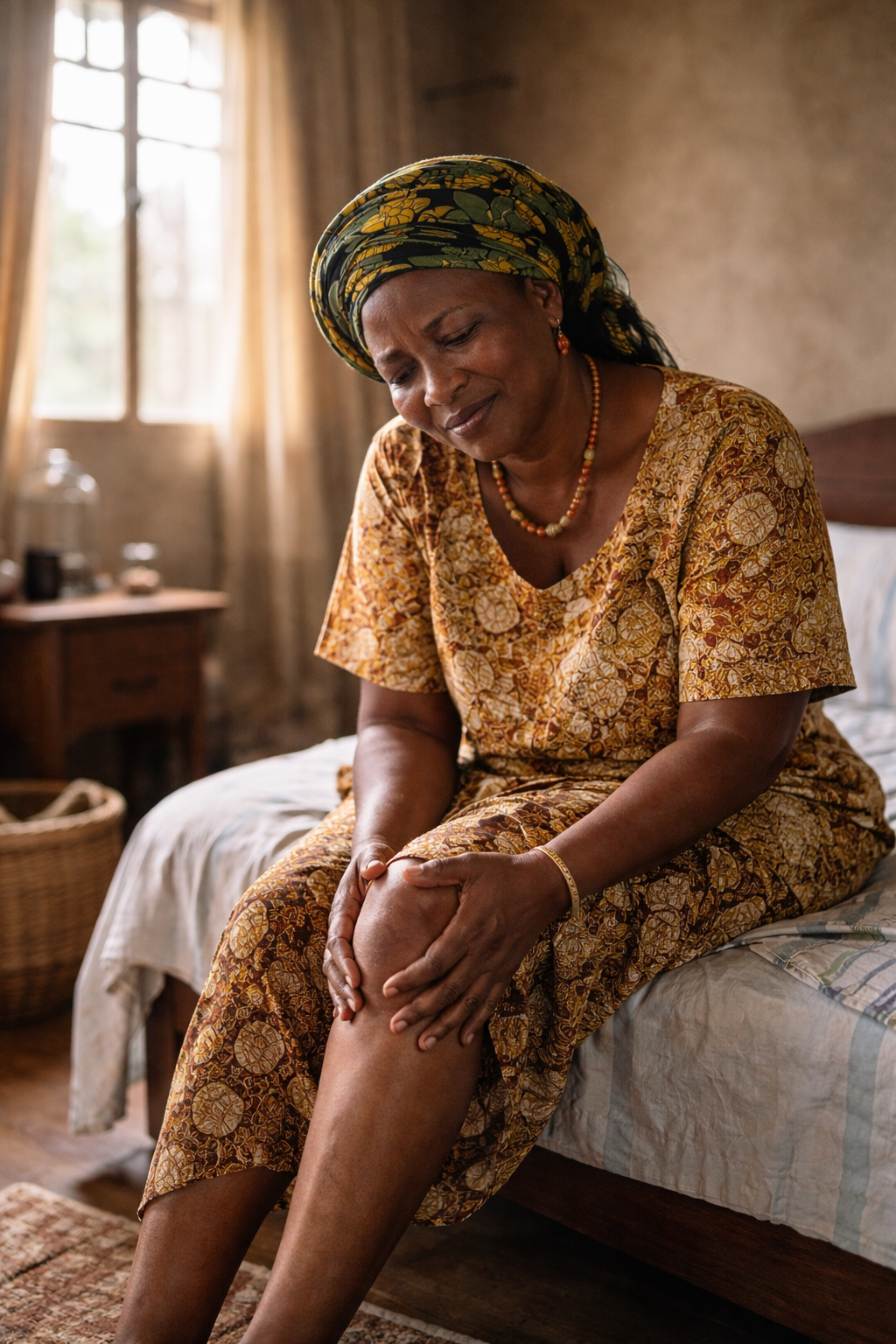
You know that moment when your own body refuses to cooperate? For me it came every single morning. I would open my eyes, swing my legs to the side of the bed, and then just… sit there. Breathing. Waiting for my knees to calm down enough that I could stand.
My family stopped commenting on it. They had learned. They knew it took me ten minutes just to get upright. They knew I couldn’t bend to pick something off the floor. They knew that when I walked, I moved like a woman twenty years older than I am.
And the part I never said out loud: I was hiding how bad it really was. Because that is what we do. We manage. We endure. We don’t complain. Until the day you simply can’t manage anymore.
For me that day came at a family wedding. The music was playing, people were dancing, and someone called out, “Ada! Come and join us!” I gripped the arms of my chair and tried to push myself up.
I couldn’t. My knees locked and the pain was so sharp I gasped. I smiled, waved them off — “I’m fine, you people continue” — and I sat in that chair for three hours while everyone celebrated around me. That night I cried. Not from the pain. From the quiet realisation that I was disappearing from my own life.
First, let me be clear about what I am not
My name is Ada. I am not a doctor. I am not a pharmacist. I am not a health worker. I am a 52-year-old administrator from Lagos who almost lost everything to what a specialist called “severe osteoarthritis in both knees.” I am writing this because I promised myself that if I ever found my way out, I would not keep quiet about it.
So here is exactly what happened — the money I wasted, the thing that finally worked, and why I believe so many Nigerians are suffering for no reason.
The ₦500,000 I poured into solutions that failed me
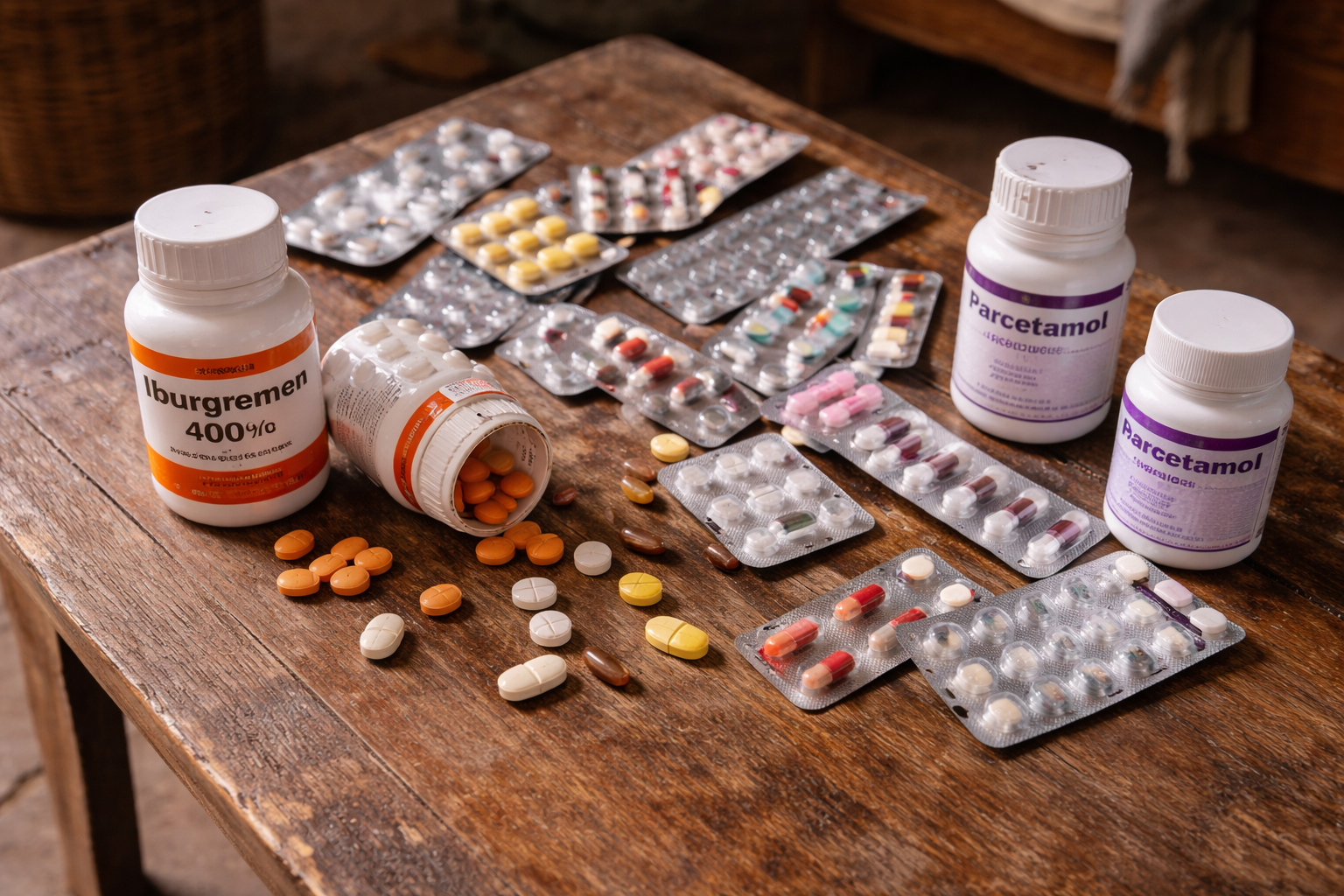
When the pain first started I did what everyone does. I went to the chemist. Ibuprofen, then Diclofenac, then something stronger. About ₦12,000 every month. The pharmacist knew me by name — which became its own kind of shame.
The pills worked for maybe three hours, then the pain came back worse. After six months my doctor ran tests and told me my liver enzymes were climbing. I was trading my knees for my liver.
Then physiotherapy. ₦15,000 a session, three times a week. Every session left my knees more swollen than before. I lasted eight weeks and stopped — ₦360,000 gone, and I was moving worse, not better.
After that came the unlabelled “herbal mixture” from a seller online (₦25,000, terrible side effects), and then the imported supplements a relative swore by — the big foreign bottles people overseas use (₦45,000 for three months, no difference at all).
In one year I spent over ₦500,000. My knees were exactly the same. The doctor’s only remaining suggestion was surgery abroad: ₦4–5 million I would never have.
One evening I overheard my family in the next room, worrying about how they would ever find that kind of money. I sat there and felt something break. I had become the burden I always swore I would never be.
The conversation that changed everything
It happened at a community meeting. I watched a woman far older than me rise from a low chair — no struggle, no grunt, no hand on the wall. Just easy, smooth movement. I could not stop staring.
Afterward I pulled her aside and asked, almost embarrassed, how her joints were so strong. She smiled and said something I have never forgotten:
“You are doing what every Nigerian does. You are trying to fix your body with foreign solutions. That is why nothing is working.”
Years earlier, she told me, her joints had been worse than mine. Then she met a Nigerian who had lived in Okinawa, Japan for over a decade — a place famous for elders who stay active and mobile well into their 80s and 90s, climbing stairs and squatting to work with barely any joint trouble.
“It is four things,” she said. “Not medicine. Not surgery. Just food, bathing, herbs and gentle movement — done in a very particular way. And every single thing you need is in your own market.”
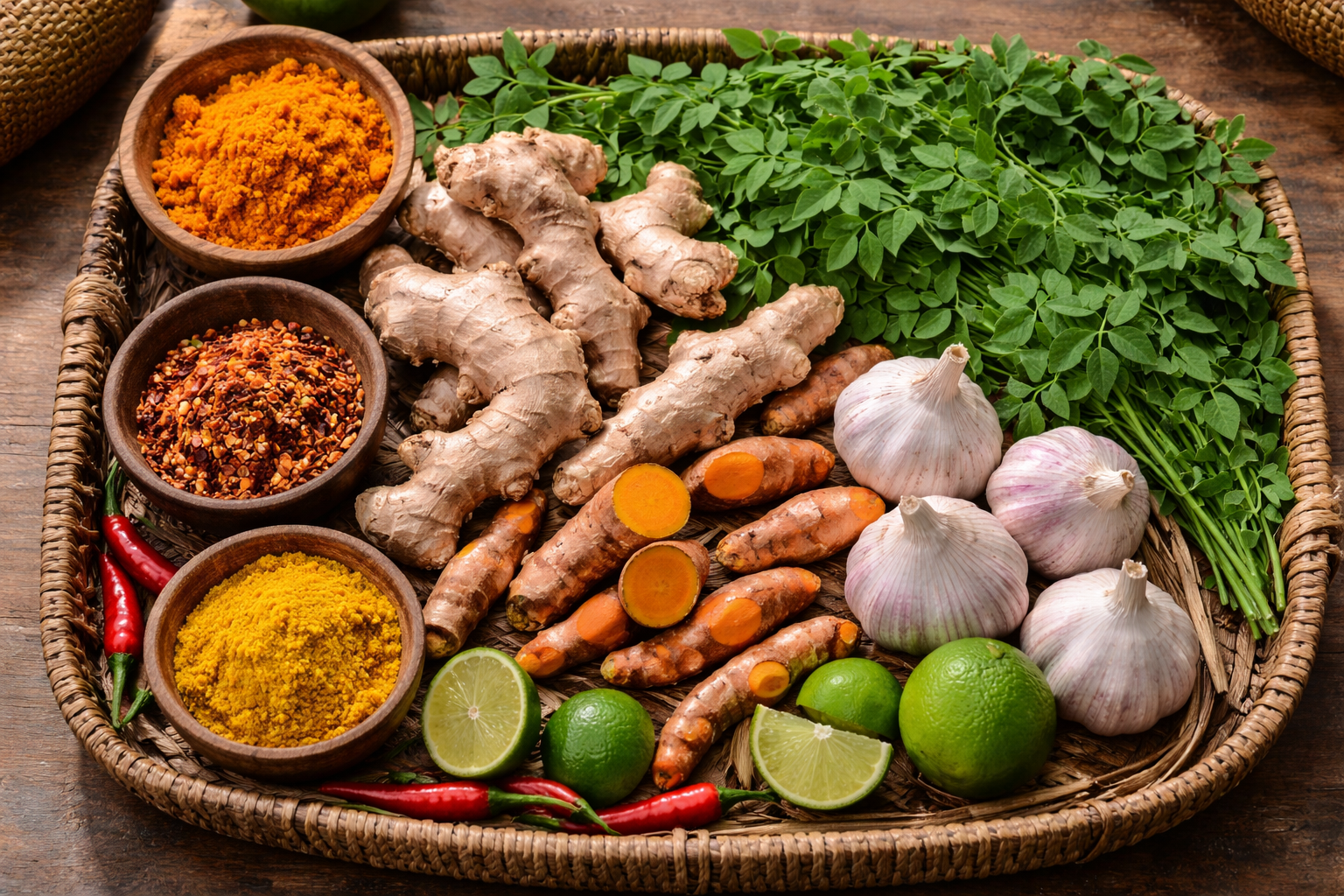
She had a small notebook where the whole thing had been written down — the foods, the herbs, the bathing method, the movements. I sat and read it for hours. When I looked up, I asked if I could try it. She smiled and said, “That is why I am showing you.”
The first week, nothing happened (and I almost quit)
I started the next morning. I bought the herbs — total cost about ₦2,800 — made the morning tea exactly as written, did the gentle 15-minute movements, took the evening soak. For seven days, nothing changed. On day three my knee was actually more swollen and I nearly threw the notebook away.
But one line she said kept replaying: “Your joints did not break down in a week. They will not heal in a week. Give it 14 days, then judge.” So I kept going.
On the morning of day eight, I swung my legs out of bed and stood straight up. No counting. No bracing. No ten-minute wait. I sat down and stood again just to be sure. The sharp, stabbing pain was simply… quieter.
By day 14 I walked to the junction and back without stopping once. When I got home, I sat down and cried — this time from relief.
The week my doctor could not explain it
Three weeks in, I had a follow-up. I walked from the car park to his office — about 200 metres — with no help. He watched me walk across the room and shook his head. “This is not the usual progression,” he said. “Keep doing whatever you are doing.” By week six I was waking up without pain and moving freely through my day for the first time in years.
So what actually is this method?
It is not a drug and it is not magic. It is four simple daily habits — adapted from a 1,500-year-old Japanese herbal tradition called Kampo and the longevity habits of Okinawa — rebuilt entirely around Nigerian food, Nigerian herbs and the Nigerian climate. Four pillars:
Anti-Inflammatory Food
Everyday Nigerian foods that calm inflammation — mackerel, ugwu, waterleaf, ginger, turmeric, and the right palm oil.
The Evening Soak
A simple ₦500 Epsom-salt-and-herb soak that eases stiff joints — done in a basin, at home.
The Kampo Herbal Tea
A morning ginger–turmeric combination — the same herbs used for centuries, prepared the right way.
Gentle Movement
15 minutes of slow, joint-friendly movement each morning. No gym, no equipment, no strain.
None of it is exotic. None of it is expensive. The whole month of ingredients costs less than a single week of the painkillers I used to buy.
Why don’t more people know this?
I have asked myself that often. The honest answer I have come to: there is very little money in teaching people to ease their own joints with ₦15,000 of local food and herbs. There is a great deal of money in monthly painkillers and ₦5 million surgeries. I am not bitter about it. I just refuse to stay quiet about it.
The full method, written down step by step
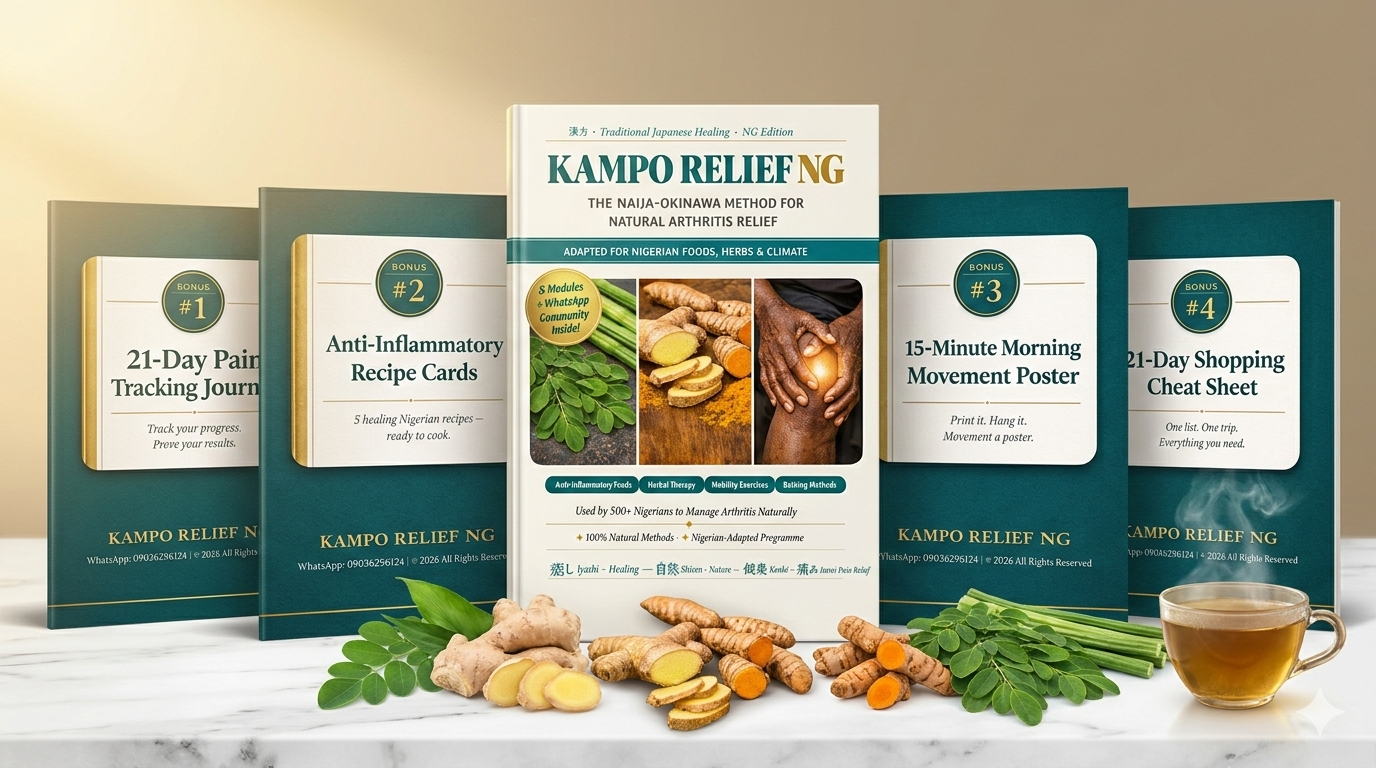
After enough people asked me to share exactly what I did, the complete system was put together into one simple guide anyone can follow from home — The Naija-Okinawa Method. It lays out all four pillars, the exact foods and herbs, the morning tea, the evening soak, the movements, and a day-by-day plan for the first weeks.
- The complete Naija-Okinawa Method (all 4 pillars, step by step)
- The Nigerian market food & herb guide — what to buy, where, and the cost
- The morning anti-inflammatory tea recipe
- The evening soak method & the 15-minute movement routine
- Free bonus: 21-Day Pain Tracking Journal
- Free bonus: Anti-Inflammatory Recipe Cards
- Free bonus: 15-Minute Morning Movement Guide
- Free bonus: 21-Day Shopping Cheat Sheet
The honest answers to what people ask me
If you recognise yourself in my story
Six months from now you will either be moving more freely, doing your own shopping, standing through a whole event without counting the minutes — or you will be exactly where you are today, wishing you had started. I waited far too long because I had been disappointed too many times. I understand that completely. But the cost of trying this is small, and the guarantee means the risk sits with the method, not with you.
Yes — I Want the Naija-Okinawa Method →
💬 Comments (312)
My doctor was talking surgery for 8 months. I followed this for 4 weeks and the morning stiffness has gone down well well. I stand up straight now. Thank you for sharing your story ma.
What I like is that it understands we are Nigerians. Every other guide talks about salmon and quinoa. This one talks about mackerel and ugwu. My knees have improved and I can move more freely now.
Nigerian in the UK here. The NHS just gives paracetamol and says wait. This is the first thing that fits our food culture. The evening soak alone made a real difference for me.
Bought it for my mother. She followed everything and after 6 weeks she called me to say she can move around properly again. I nearly cried. Worth every naira.